

Crazy for Calcium
When it comes to bone health, probably the most talked about and touted nutrient is calcium. Is calcium as important to bone health as it is made out to be, what do you need to know about supplementation?
Calcium is the most abundant mineral in the body, 99% of which is stored in our bones and teeth. When you do not get enough calcium from your diet or supplements, just like putting your card in an ATM to remove some cash from your bank account, your body will “withdraw” calcium from your bones. If you are not replenishing your calcium stores, this will result in being “overdrawn” and with time, osteopenia and osteoporosis can occur. Unlike the bank, your body won’t send you notifications until the situation is pretty bad!
Besides preventing bone loss, calcium prevents dental decay, brittle nails, fatigue and muscle spasms. Muscles and nerves both need it to function properly. Unfortunately, most of us do not get enough from our diet, some studies suggest we get only half of what the RDA calls for, which is 1000-1200 mg a day. And, surprise, surprise, as we age, our ability to absorb calcium declines, so if you are over 50 and/or menopausal, 1200mg/day is what you are aiming for.
To supplement or not to supplement, that is the question.
There is conflicting information about supplemental calcium’s ability to reduce fractures. That said, during menopause, when estrogen loss ramps up our bone loss, it does seem to reduce fractures when combined with Vitamin D, which I will discuss in depth at another time.
Vitamins, minerals and micronutrients work synergistically. When you eat whole foods, they come with a wide variety of vitamins, minerals, and micronutrients that works together to support your overall health.
Like many things in life, more is not better. You will not gain more benefits by taking in more calcium than the body needs, and in fact, it could be harmful. For example, calcium supplements are possibly linked to an increase in colon polyps, kidney stones and a buildup of calcium in the arteries, contributing to the risk of heart attacks and heart disease.
Symptoms of low calcium (hypocalcemia) depend on the severity but can include the following: fatigue and muscle weakness or spasms, numbness or tingling in the fingers and toes, brittle hair and nails, dental issues, abnormal heart rhythm, bone pain and fractures. How do you know if you are deficient? Don’t guess, test.
A serum calcium test is often part of a regular annual blood panel that your doctor will run. If not, ask them to include it. You are the boss of your body so don’t be shy about advocating for your health. The general recommendation is that it should not be below 9 mg/dL.
Supplementing calcium should also not be your only line of defense in fighting or preventing osteoporosis. Eating a nutrient-dense diet and practicing strength training should also be a part of your overall strategy. You will hear me say ad nauseam!
Milk, does it really do a body good?
If you are of a certain age you will remember those “Milk, it does a body good” ads from the 1980’s, and preceded the “Got milk?” ads of the 1990’s. For decades milk and dairy products have been the go-to source for calcium. These days, particularly with the increasing popularity of veganism, dairy can be a controversial and much debated topic. Personally, I could wax poetic about my love of cheese, but I will spare you the soliloquy. If you like it and tolerate it, then until I am convinced otherwise, go ahead and enjoy dairy as a source of calcium in your diet. I do not recommend nonfat products as, the lower the fat, the higher the lactose (milk sugar) and is more likely to spike your blood sugar. Fermented dairy like yogurt, kefir and aged cheese are the best dairy choices. Goat and sheep-milk products contain only A2 protein which some may find easier to digest.
Example calcium amounts:
~ 8 oz (227g) of whole milk plain yogurt from cow’s milk - 290 mg*
~ 6 oz (170g) of whole milk plain yogurt from Sheep’s milk - 390 mg*
~ 6 oz (170g) of whole milk plain goat yogurt - 270 mg*
*may vary depending on the brand and type, e.g. regular vs Greek
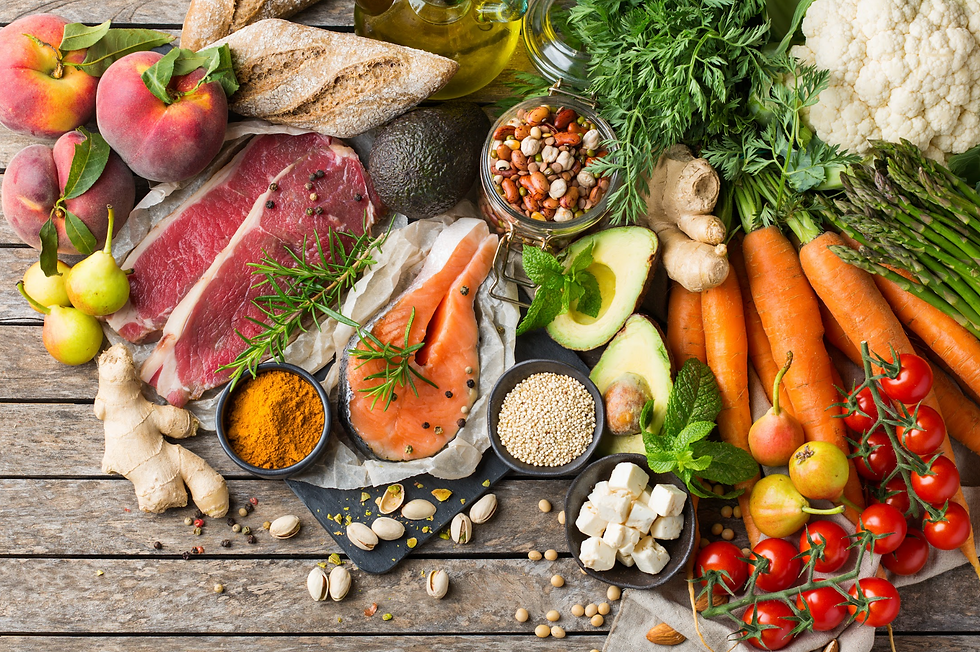
Other dietary sources of calcium:
~ canned salmon - a 5 oz serving contains 350 mg.
~ canned sardines - a 15 oz can contains 286 mg.
~ tofu - one cup contains 126 mg
~ almonds, 1 oz (30g), contains 75 mg*
~ hazelnuts, 1 oz (30g) contains 56 mg*
~ sesame seeds - 15g contains 6 mg
~ tahini paste - 30 g contains 42 mg
~ lettuce - 50 g contains 19mg
~ cooked lentils - 200g contains 40 mg
~ chickpeas (garbanzos) - 200g cooked contain 99 mg
*(preferably w/o the skin and soaked to remove the oxalates & phytic acid)
Antinutrients and calcium absorption
Before you dive head first into a bag of nuts, there are a few things to keep in mind:
(1) Those cute little delicious buggers contain a lot of calories. Get yourself a food scale and become familiar with what a 1 oz. size of your favorite nut looks like.
(2) Although nutrient dense, they also contain antinutrients. An antinutrient is a compound in food that can block or reduce the absorption of certain nutrients in that food. Nuts and seeds contain phytic and oxalate acid which can block the absorption of calcium and other minerals. So unfair, right?
If you want to have your nuts and eat them, too, soaking and “sprouting” the nuts will remove a lot of the phytic and oxalate acid and make them more digestible. See here for my “how to.” (Link needs to be added. It should go to recipe section of website.)
The oxalate acid in certain leafy greens like spinach and chard can also reduce the absorption of calcium. See here (Link needs to be added to The Dark Side of Leafy Greens.)for my article on leafy greens. Other high oxalate foods include:
Raspberries
Beets
Potatoes and yams
Buckwheat
Black tea
Rhubarb
Beans
Tofu
Chocolate and cacao powder
I know what you are thinking! Aren’t foods like beans and tofu on the high calcium list? Indeed they are. Sometimes how you prepare them can make a difference. Soaking and pressure cooking beans, for example, can reduce their antinutrient content. It’s also a good reminder to eat a wide variety of foods and not too much of any one thing.
Other factors that can inhibit calcium absorption include:
Celiac disease
Digestive issues, such as hypochlorhydria (low stomach acid) can cause poor absorption of nutrients including calcium and result in deficiency.
Vitamin D3 deficiency
Some over-the-counter and prescription drugs can contribute to poor absorption and deficiency. Acid reducers such as Tums, Prilosec, Prevacid.
Again, getting annual or bi-annual tests is the best way to know if you are calcium deficient.
If you decide to get your calcium from food, do make sure you get it from a variety of sources and make sure you understand what a serving size is so you are getting adequate amounts. If you choose to add a calcium supplement to your regimen then check with your doctor and/or pharmacist to make sure you do not have any medical conditions which contraindicate supplementation and to make sure there are no interactions with any medication you may be taking.
Calcium is important to your bone health and should be part of but not the element of your nutritional and exercise strategy for healthy bones and robust health.
Bone Santé!


Comments