

Antinutrients: Nutritional Friend or Foe
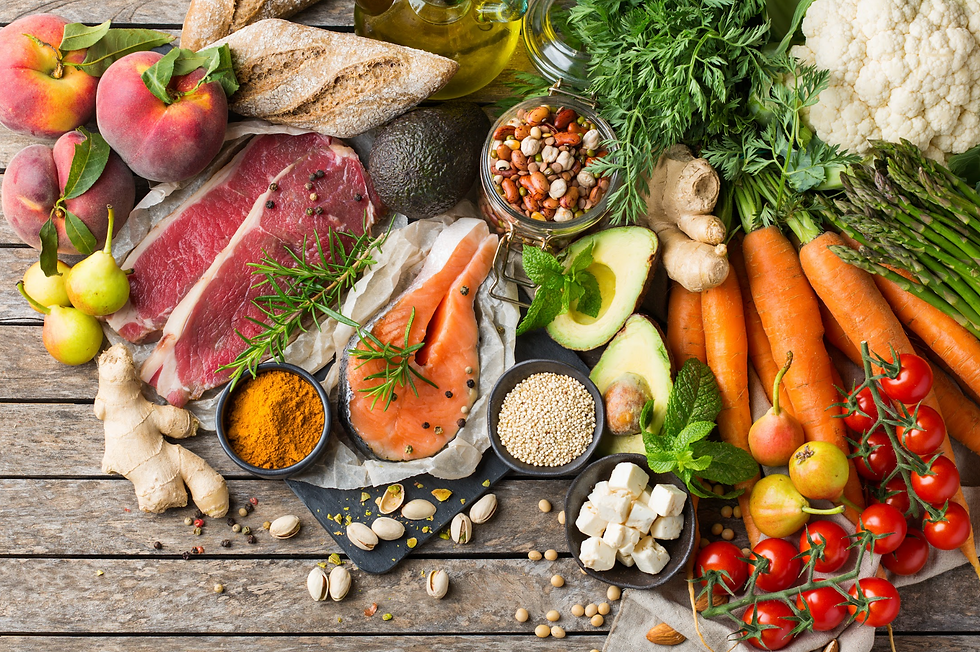
Plant foods contain many beneficial compounds such as polyphenols, plant compounds with anti-inflammatory and anti-oxidant properties, as well as carotenoids, plant pigments which make raspberries ruby red and blueberries purpley-blue. Alas, plants, like humans, contain elements that are not all good or bad! So in addition to all of those beneficial compounds, they also contain anti-nutrients, compounds that may block the bioavailability or absorption of nutrients beneficial to the body. Ah, the complexity of nature!
The reason why plants contain antinutrients is mostly for self-preservation; they help protect the plant from infections and being eaten by insects (and possibly humans!). Quinoa seeds, for example, contain saponins, bitter tasting compounds which make them less tasty to birds and insects. If you have ever eaten quinoa that has not been rinsed or soaked, I would argue the same goes for humans!
Some of the most talked about antinutrients are: lectins, oxalates, goitrogens, phytoestrogens & phytates. The table below shows some food sources of these antinutrients and their potential negative effect on the body.
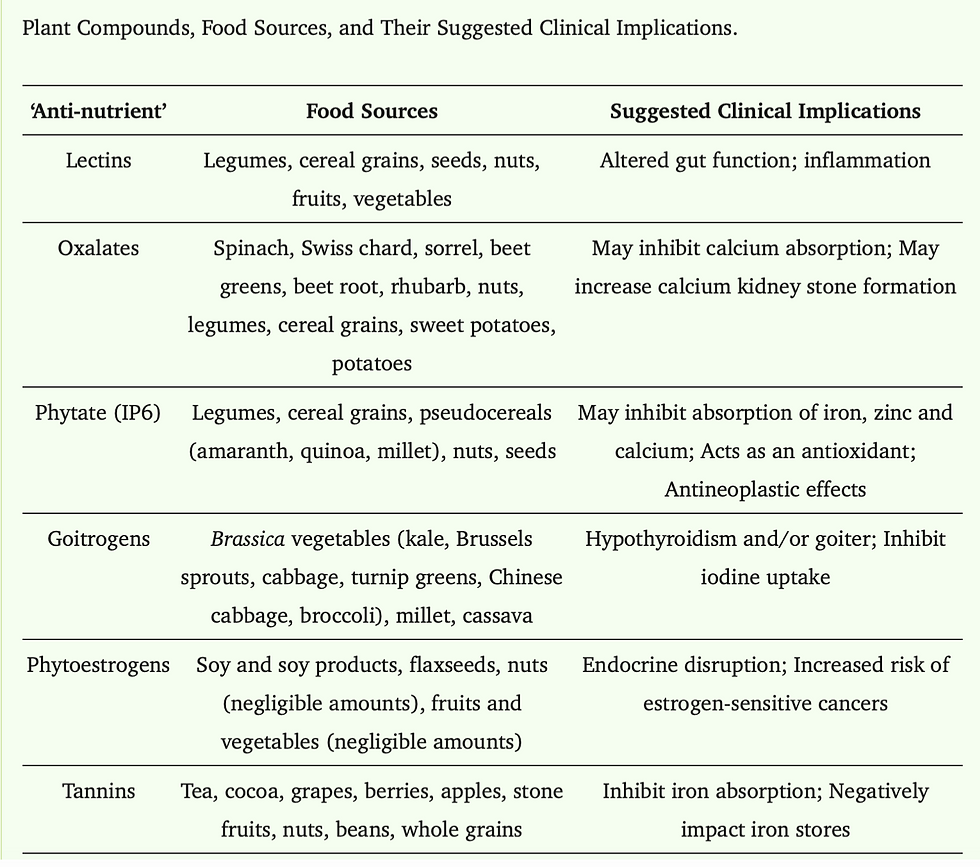
Source: Pubmed
Although some of these food compounds may have negative effects on the body, how the food is prepared, particularly using traditional cooking methods, can greatly reduce these compounds.
Lectins - Lectins can be greatly reduced by soaking, sprouting, fermenting, boiling, and pressure cooking. Look at how traditional cultures prepare these items. For example, quinoa should be thoroughly rinsed under water then boiled or pressure cooked. Italians remove the skins and seeds of tomatoes where most of the lectins are found.
Oxalates - Boiling and steaming are the best ways to reduce the oxalate content of high-oxalate greens such as spinach. Another solution is to pair high-oxalate foods with calcium-rich foods which can help to reduce oxalate absorption. (Think creamed spinach.) If you are getting around 1000/mg of calcium per day this can potentially offset the negative effects of oxalates in your diet. That said, if you are susceptible to kidney stones, these foods may not be your BFFs.
Phyto-estrogens - Choose fermented soy foods, such as tempeh, natto, and miso or minimally processed foods such as tofu. Avoid overly processed soy foods such as those containing soy protein isolate. If you look at traditional cultures such as Japan, Korea and Indonesia where soy foods are eaten in abundance, they primarily consume those that are fermented and minimally processed.
Phytates - Soaking, sprouting, fermenting and pressure cooking phytate-rich foods such as grains, beans and legumes, can significantly reduce their phytate content. Soaking, sprouting nuts can reduce their phytate and lectin content. You can see my method for preparing nuts here.
Goitrogens - Cruciferous vegetables like broccoli, kale, broccoli rabe, chard and collard greens, beloved for their anti-carcinogenic compounds, high fiber, vitamin and mineral content, can be an issue for those with thyroid disease as they may decrease iodine uptake, which can contribute to the disease. I am not aware of a cooking method that can decrease this effect. Occasional consumption is likely fine but do check with your health care provider if you have a thyroid issue.
Tannins - Although generally considered safe and touted for their anti-carcinogenic, anti-inflammatory and antimicrobial properties, you may want to be mindful of the dose as overconsumption of tannins may interfere with nutrient absorption, especially iron and zinc. I am not aware of a work-around for tannins. Common sense says, be mindful of your consumption.
Anti-nutrients and bone health
Viewing this information through the lens of bone health, bien sûr, you want to be mindful of consuming foods that could potentially leach minerals from our bones, particularly if you already have a diagnosis of Osteopenia or Osteoporosis. You don’t have to throw out all of the foods listed in the chart above, but you might want to embrace new ways of preparing them so you can continue to enjoy them. You may also want to limit your consumption based on the severity of your diagnosis.
Whether or not these compounds are our nutritional friend or foe will likely be debated for some time. In the meantime, I prefer to err on the side of caution as my bone health is a priority. That said, I don’t think it's necessary to be obsessive and prefer a common sense approach. Eat a wide variety of foods, not too much of any one thing, and rotate them by eating with seasons.
Every day action
If you love coffee and tea you may want to limit your consumption to a two or three cups since caffeine and tannins may leach calcium from bones. Then switch to herbal teas the rest of the day,, for example, check out my BoneAppeTea recipe.
Bone Santé!


Comments